Skip to content
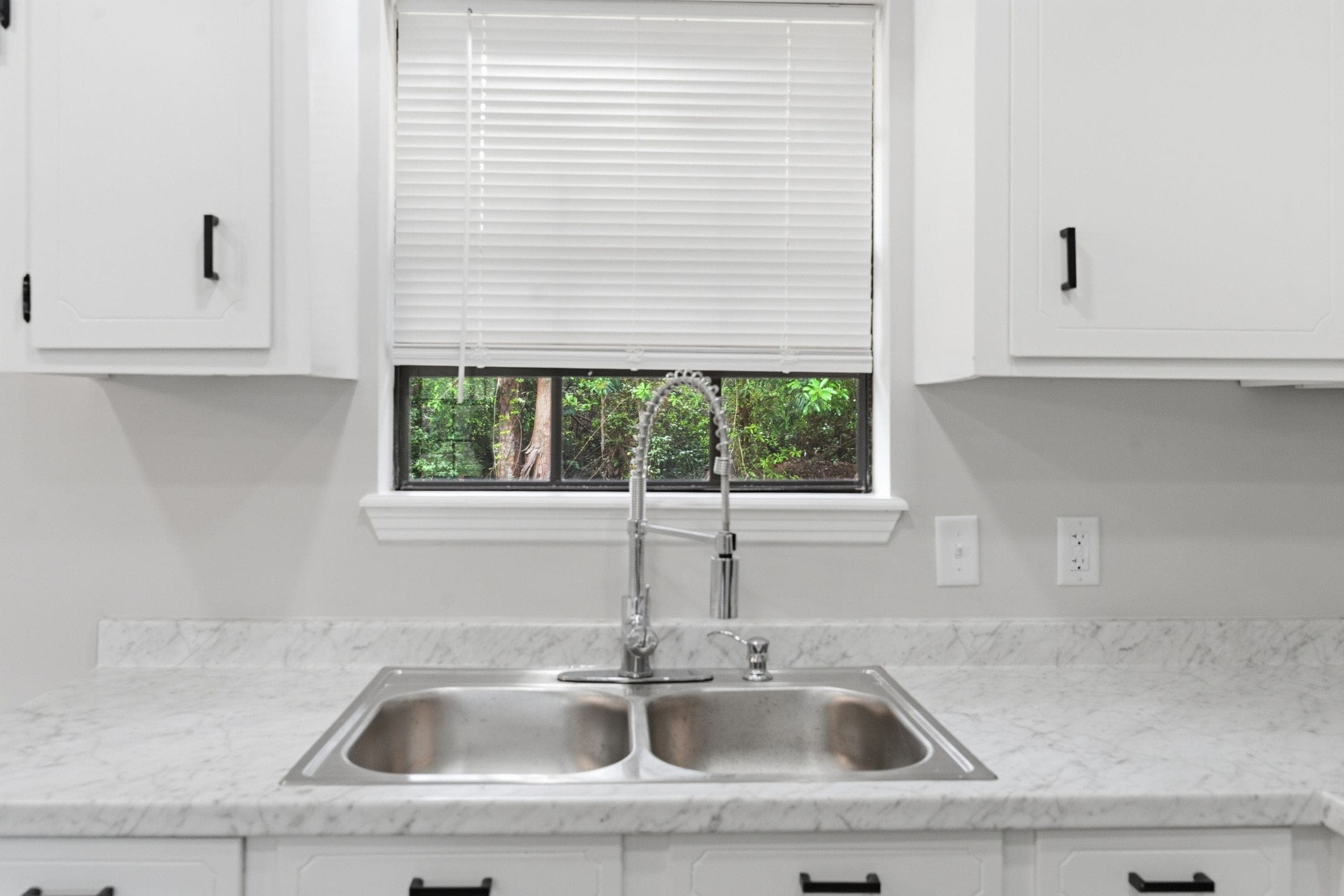
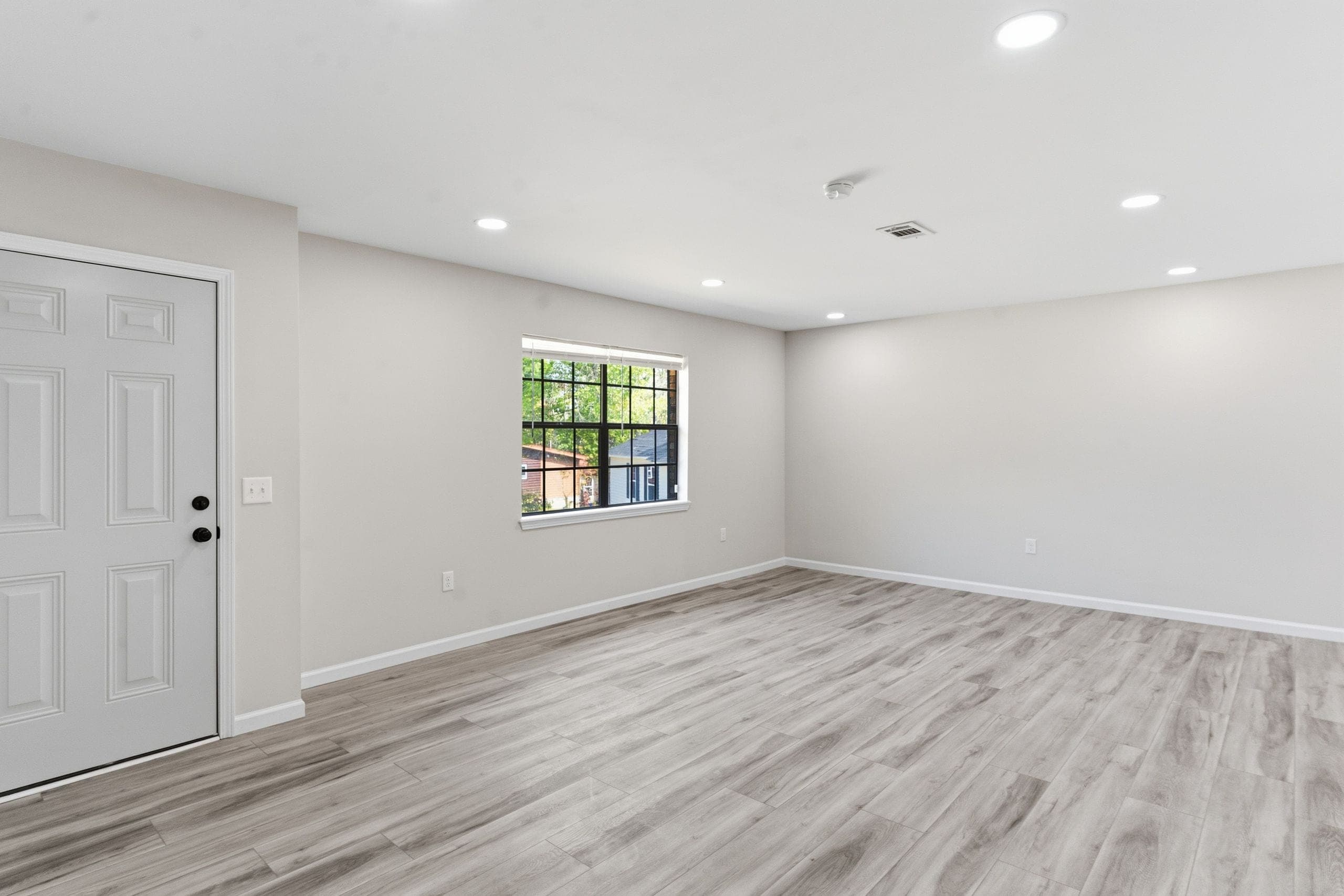
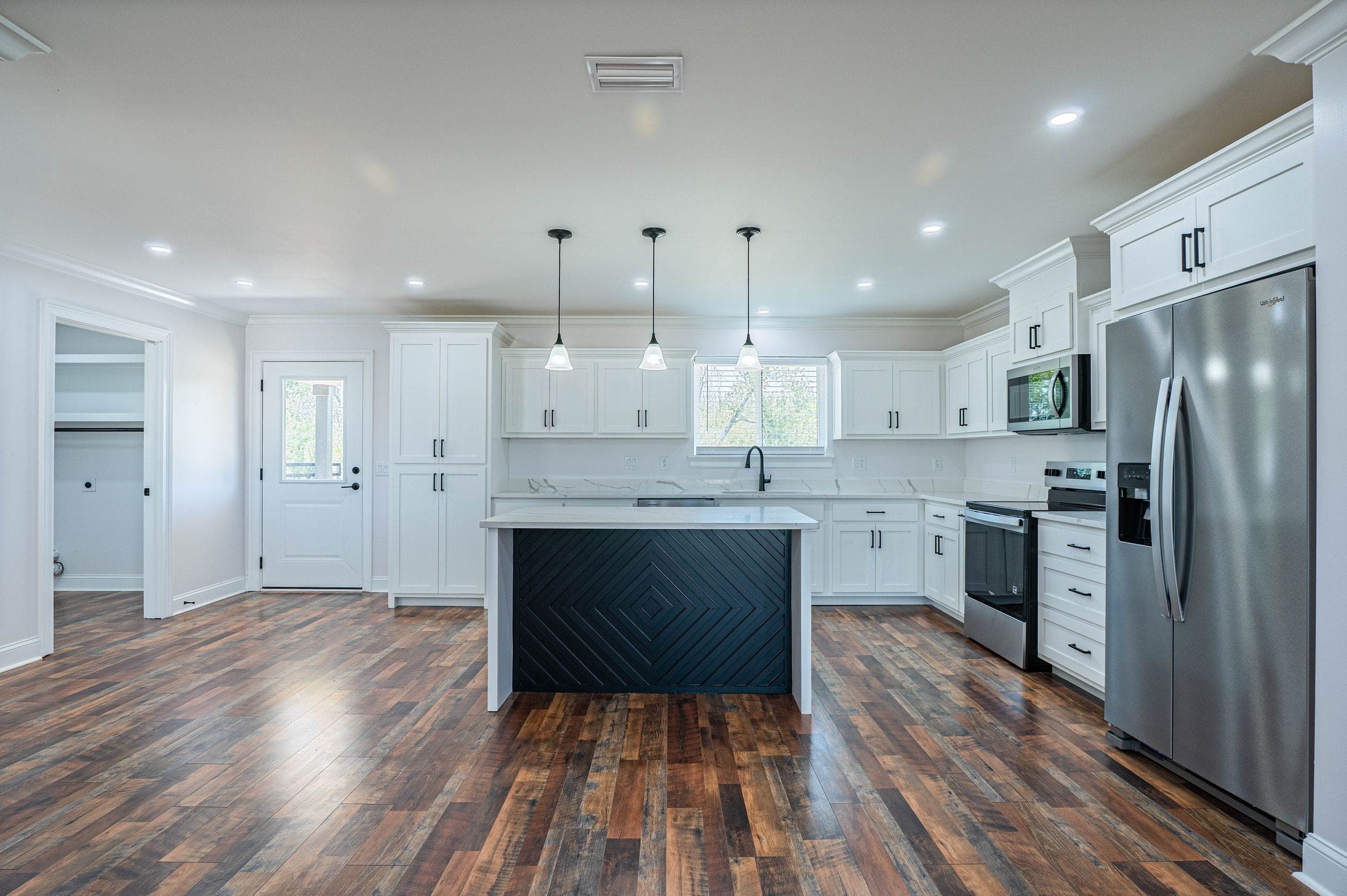
Open kitchen with white shaker cabinets, a black island front in a mitered diamond pattern, three pendant lights and stainless appliances over wide-plank wood-look flooring

Reference

HDR or flambient?

Two editing styles, two prices, and a real difference between them. Here is what each one does, and which listings each one suits.

The short version

Both styles start with the same problem. A room your eye reads perfectly well is, to a camera, two scenes at once: a bright window and a much darker interior. Expose for one and you lose the other.

HDR solves it with exposure. Flambient solves it with light. That single difference is where everything below comes from — how each one looks, what each one costs, and when each one is the better buy.

Side by side

Neither style is better in the abstract. They are better at different jobs.

Fundamental package

HDR

High Dynamic Range

How it works
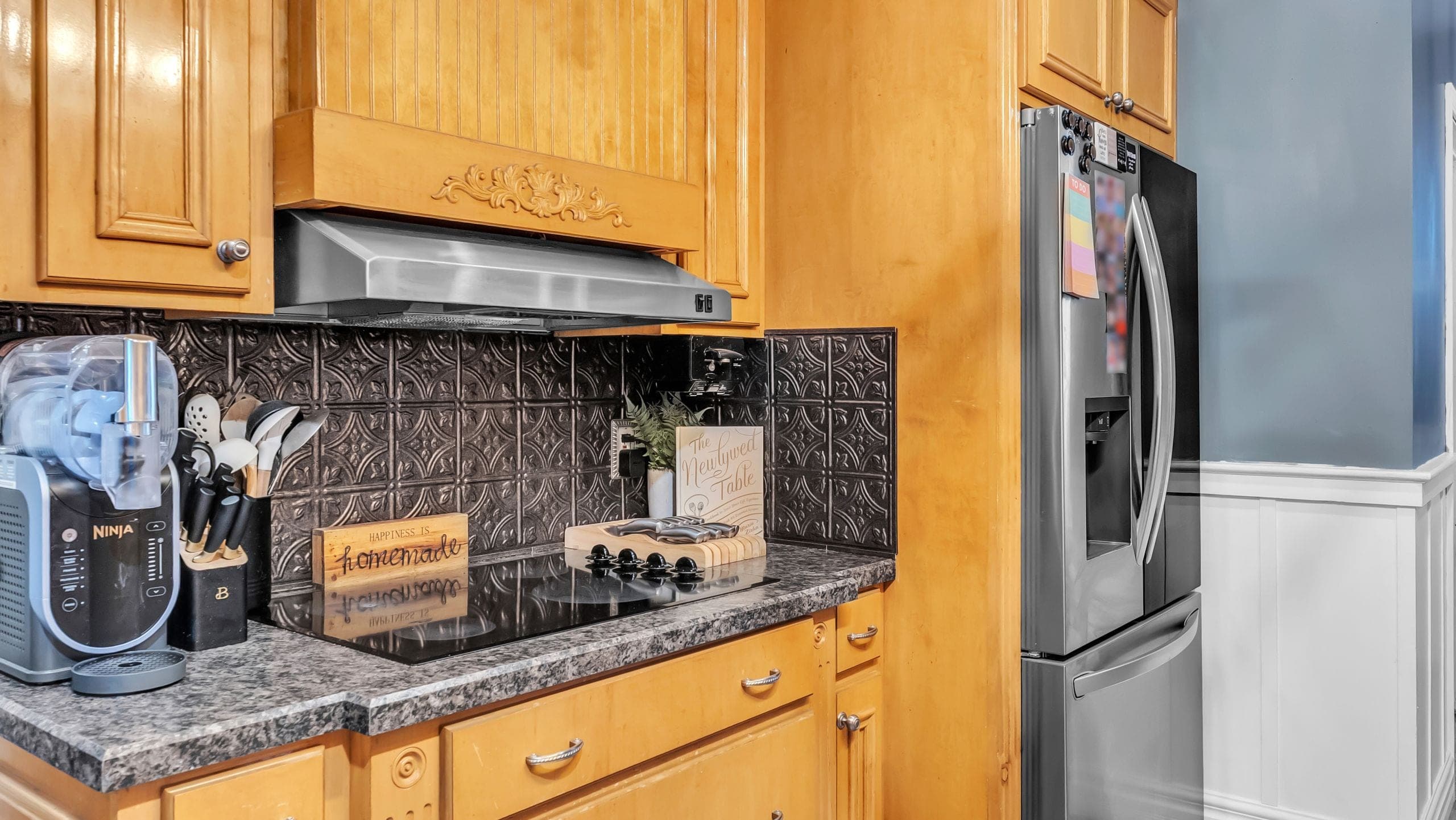
The camera takes the same frame several times at different exposures — one set for the room, one for the window — and those frames are merged into a single image that holds detail in both.
What it looks like
Even and natural. Rooms read close to how they looked when you walked in, and the view through the window stays visible instead of blowing out to white.
The trade-off
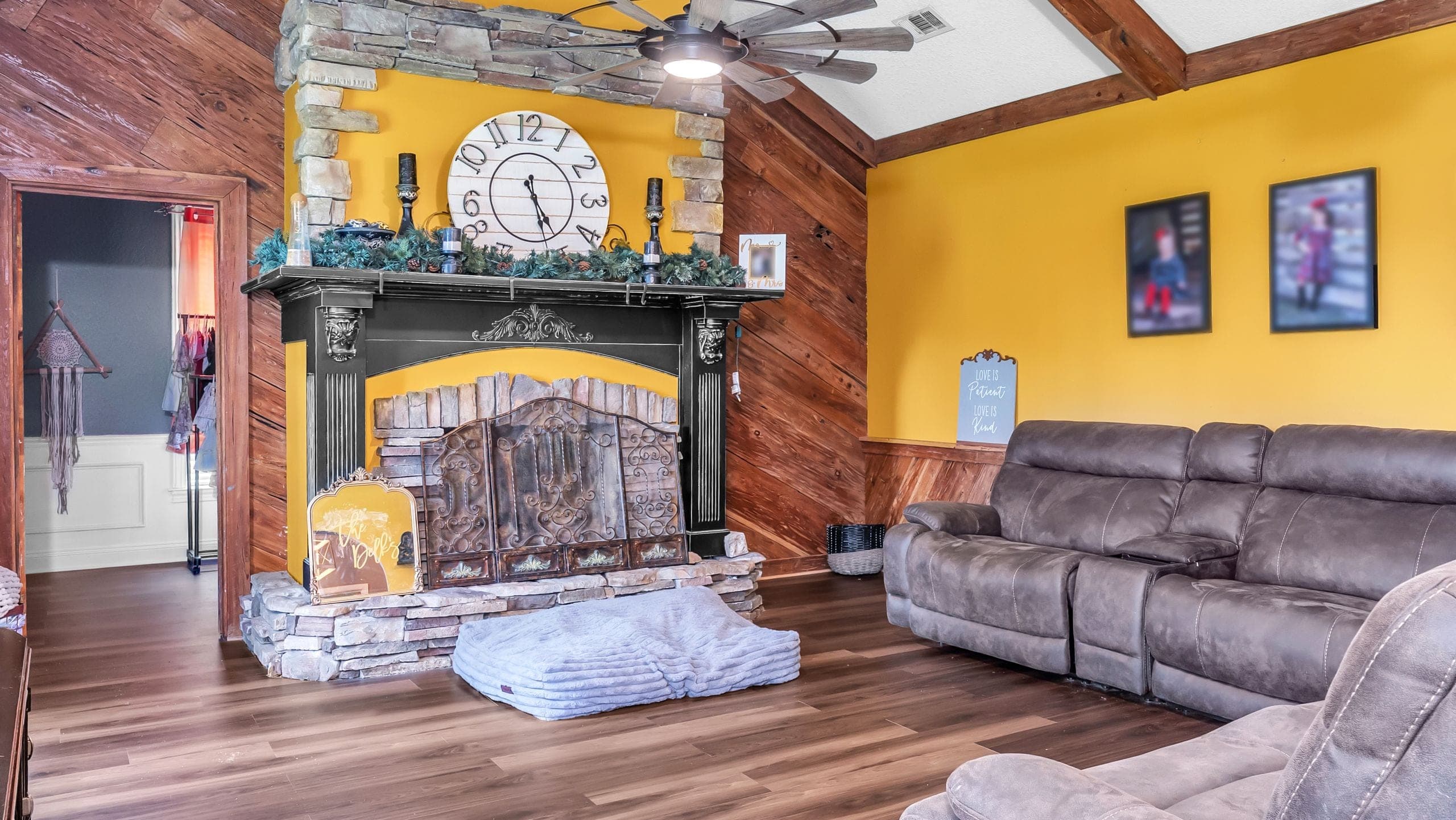
In rooms fighting mixed light — a lamp, a ceiling fixture and a window all at once — HDR can leave colors slightly at odds with each other.
Best for
  • Listings that need to go live quickly
  • Rooms with good natural light
  • Standard residential listings at competitive price points
  • Rentals, land parcels and outbuildings
Lavish package

Flambient

Flash + Ambient

How it works
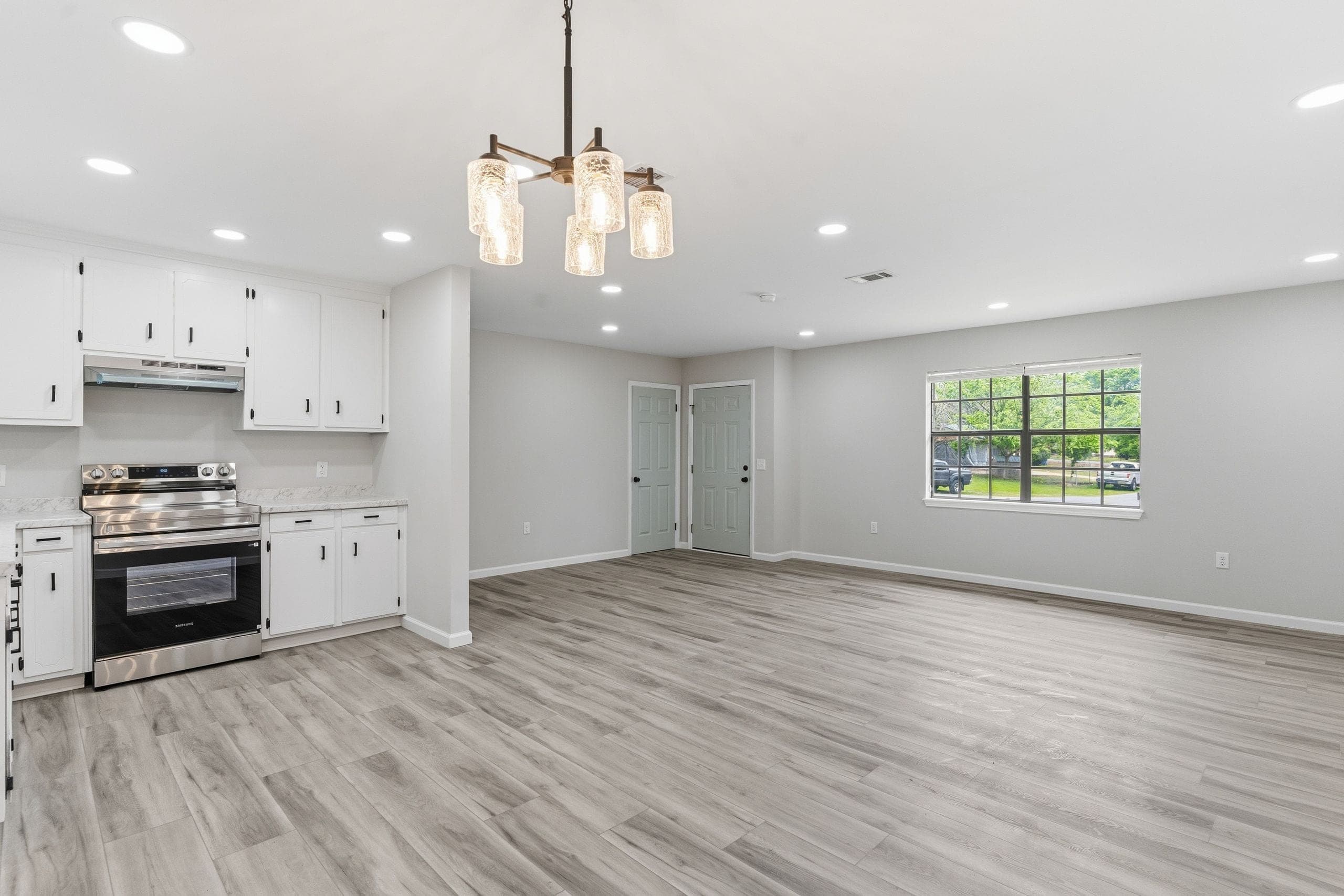
Ambient frames capture the room's own light, then flash frames light it cleanly and neutrally. The two are blended by hand so the flash fixes the color while the ambient keeps the mood.
What it looks like
Brighter, crisper, more deliberate. Whites read white, wood grain and countertop texture hold up, and shadows fall where you'd want them rather than where the fixtures put them.
The trade-off
More work at the shoot and more work in the edit, so it costs more and is worth reserving for the listings that will benefit.
Best for
  • Higher-priced listings where the photography is part of the pitch
  • Dark interiors, north-facing rooms and heavy shade
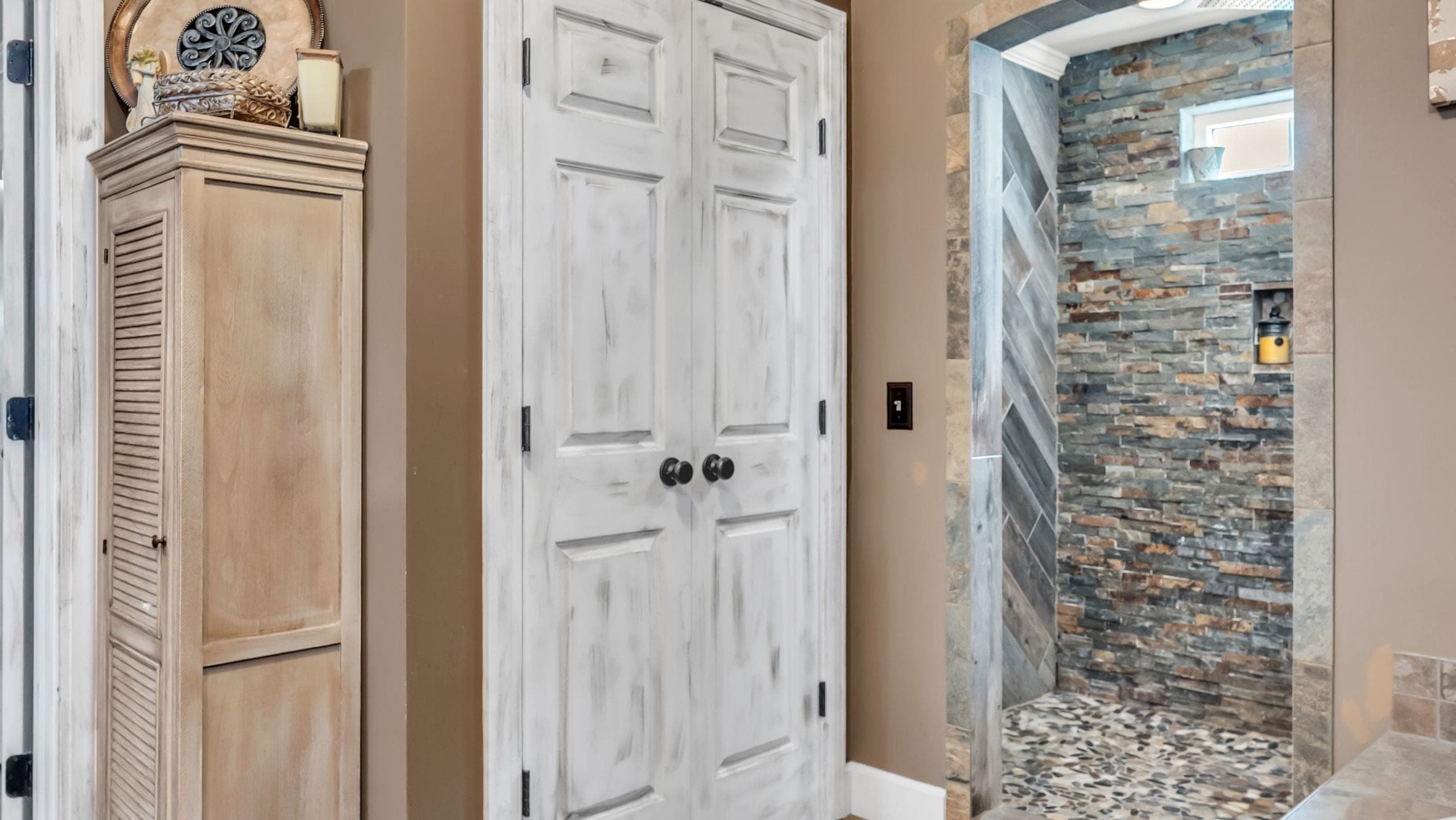
  • Kitchens and baths, where surfaces and finishes carry the value
  • Rooms with mixed lighting that HDR renders unevenly

Which one fits your property?

Five situations that come up constantly, and the honest answer to each.

The listing is priced at or below the local median
HDR is usually the right call. It is MLS-ready, it looks professional, and the money is better spent on drone coverage that shows the lot.
The interiors are dark, or the light is mixed
Flambient. This is the case it exists for — it is the difference between a room that looks dim and a room that looks inviting.
The kitchen or the primary bath is the selling point
Flambient. Surfaces, finishes and cabinetry are where the flash blending earns its keep.
The property is competing at the top of its market
Flambient. When buyers are comparing your listing against others at the same price, the photography is part of what they're comparing.
You aren't sure
Send the address and a few phone photos of the interiors. It's a five-minute answer, and there's no charge for asking.

What it costs

Listing photography is priced by square footage, so the gap between the two styles depends on the size of the property.

Fundamental

HDR

From $175

Includes professionally edited HDR images and MLS-ready delivery.

Lavish

Flambient

From $225

Includes professionally edited flash ambient images and MLS-ready delivery.

Full square-footage bands for both packages, plus drone, video and twilight add-ons, are on the pricing page.

Not sure which your listing needs?

Send the address and a few phone photos of the interiors. We’ll tell you which one we’d shoot and why.